

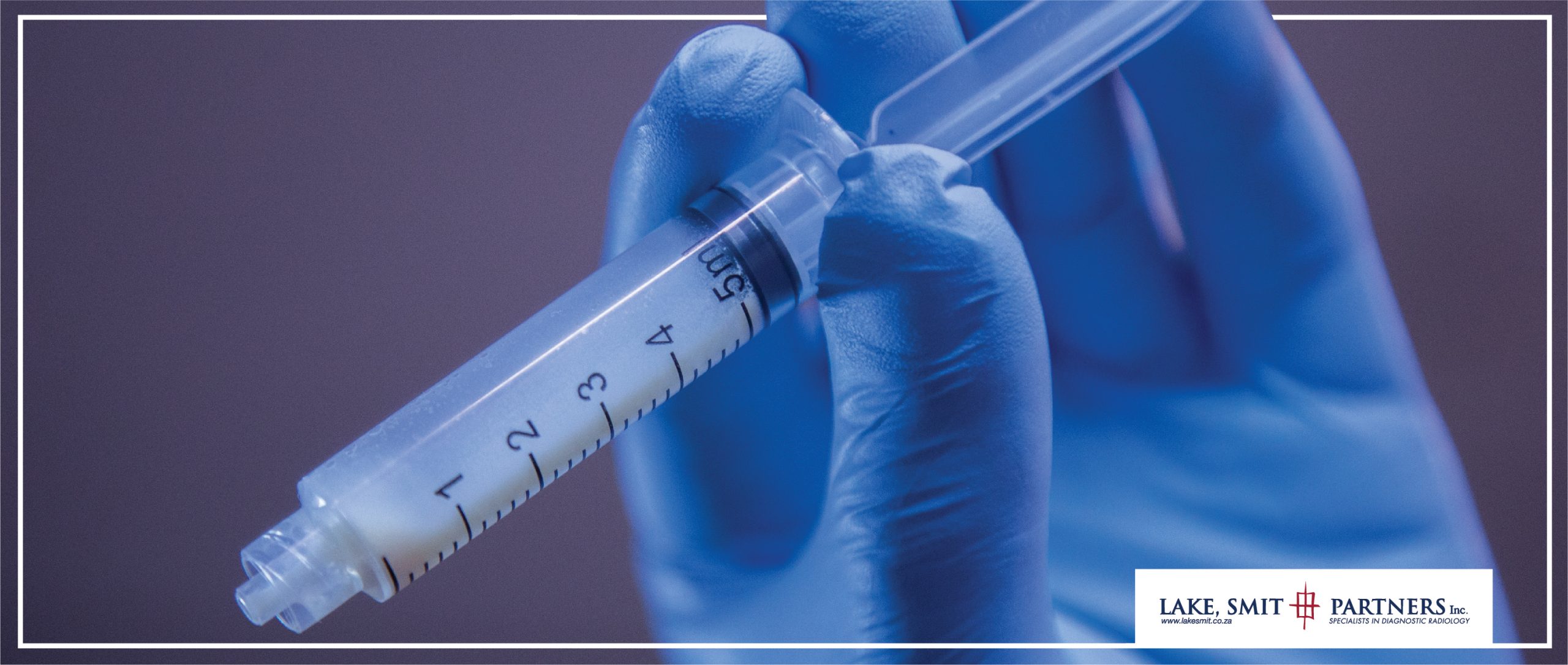
Calcific Barbotage
What is calcific barbotage?
Barbotage is the aspiration or breakdown of calcium in a tendon under ultrasound guidance that is a minimally invasive and cost-effective way to treat calcific tendinopathy or tendonitis.
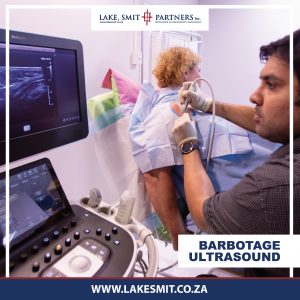
Initially, an ultrasound is performed to assess if the calcium is amenable to barbotage and to exclude or identify other causes for the pain. A needle is passed into the calcium within the tendon and the calcium is aspirated. Some remaining calcium will be present but this will be absorbed by the bursa (a tissue layer above the tendon) and could induce a bursitis (inflammation of the bursa). The steroid infiltration into the bursa always follows the barbotage to counteract the expected flare up in the bursa.
Is calcific barbotage a new form of treatment?
Barbotage has been around since 1978, first performed under x-ray guidance and now performed under ultrasound guidance which has the added benefit of no exposure to radiation. The advantages include:
- – Outpatient procedure
- – General anesthesia not required
- – Precise localization of the calcium
- – Excellent visualization of the needle tip
- – Minimal or no damage to the tendon
- – Identify associated conditions and allows steroid infiltration into the bursa post barbotage
- – The procedure has a success rate of about 70% according to the literature.
Are there any complications to the procedure? The procedure has a very low complication rate.
Some patients may have a flare up, 10-15 weeks after the procedure due to some inflammation within the bursa but this can be treated with a bursal steroid infiltration and is usually transitory.
Other complications that can occur at the site of injection include minimal soft tissue bruising, bleeding, and infection but these are rare.
Side-effects related to the steroid injection include facial flushing, insomnia, and palpitations which usually settle within 48-72 hours. Hypopigmentation (whitening of the skin) and localised skin and subcutaneous atrophy (dimpling of the ski n) at the injection site may also occur and be permanent or lessen with time.
What do I do after the procedure?
The following is recommended after the calcific barbotage:
You should avoid exercise in the first few days and the steroid infiltration may need 48 hours to take effect.
Active physiotherapy and rehabilitation is highly recommended once pain relief sets
in which is usually within the first 2-3 days. This will facilitate absorption of any remaining calcium and decrease the chance of a flare-up response later.
You can return to light sporting activity after 1 week.
You can return to full physical sporting activity when given the go-ahead by your doctor or physiotherapist.
Are there any contra-indications to calcific barbotage?
Patients with bleeding disorders, inflammatory conditions like Rheumatoid Arthritis or active infection at the site should inform the doctor prior to the injection. These can be managed appropriately before attempting any injection therapy. Patients with Diabetes may have a transient increase in glucose in the first 24-48 hours post steroid infiltration which usually settles.
For more information about our venue, visit www.lakesmit.co.za or book an appointment with us by calling – 087 310 4985 (Gateway Private Hospital) / 087 310 4991 (Hillcrest Imaging Centre) or email gateway@lakesmit.co.za / hillcrest@lakesmit.co.za